
A Recipe for Success: How Iroquois Culinary Blends Tradition, Innovation, and Holiday Cheer
The holiday season is the time when the kitchen becomes the heart of the home and memories are made over shared meals. At Iroquois High School, students in the Culinary Arts Pathway are feeding off of that excitement, bridging the gap between family traditions and professional careers.
According to Chef Davonte Bolden, the instructor revitalizing the program, the passion his students bring to the classroom often starts at home.
“I have a lot of multilingual students, so they take this class very seriously,” Chef Bolden explains. “A lot of them are already very talented because they already have that background culture of being in the kitchen with their parents.”
For students like Nick, a senior, that family connection is the "why" behind his career choice. “I just grew up cooking with my mom and my uncle. They have always been in the cooking industry, so that has always been something I wanted to pursue,” Nick shares.
Renovating the Recipe for Education
While family sparks the interest, Chef Bolden is providing the professional structure to turn that interest into a career. His arrival at Iroquois earlier this year marked a turning point for a program that he acknowledges had been “down for so long.”
“This first year has been very exciting. It's definitely been a lot of lessons and learning curves,” says Bolden. “It was just a lot of particular things that I had to get in order... just basically getting all my pieces together so I could do competitions and host clubs like FCCLA [Family, Career, and Community Leaders of America].”
Bolden brings a heavyweight resume to the classroom, including appearances on the Food Network and tenure as the corporate chef for Chef Darnell Ferguson’s Super Chefs, LLC. He is using that high-level industry experience to set a new standard for his students.
“He's a great teacher. He's very strict,” admits Nick. “It's strict in the culinary business in general, so it's good having somebody get on you when you mess up or helping you when you make mistakes.”
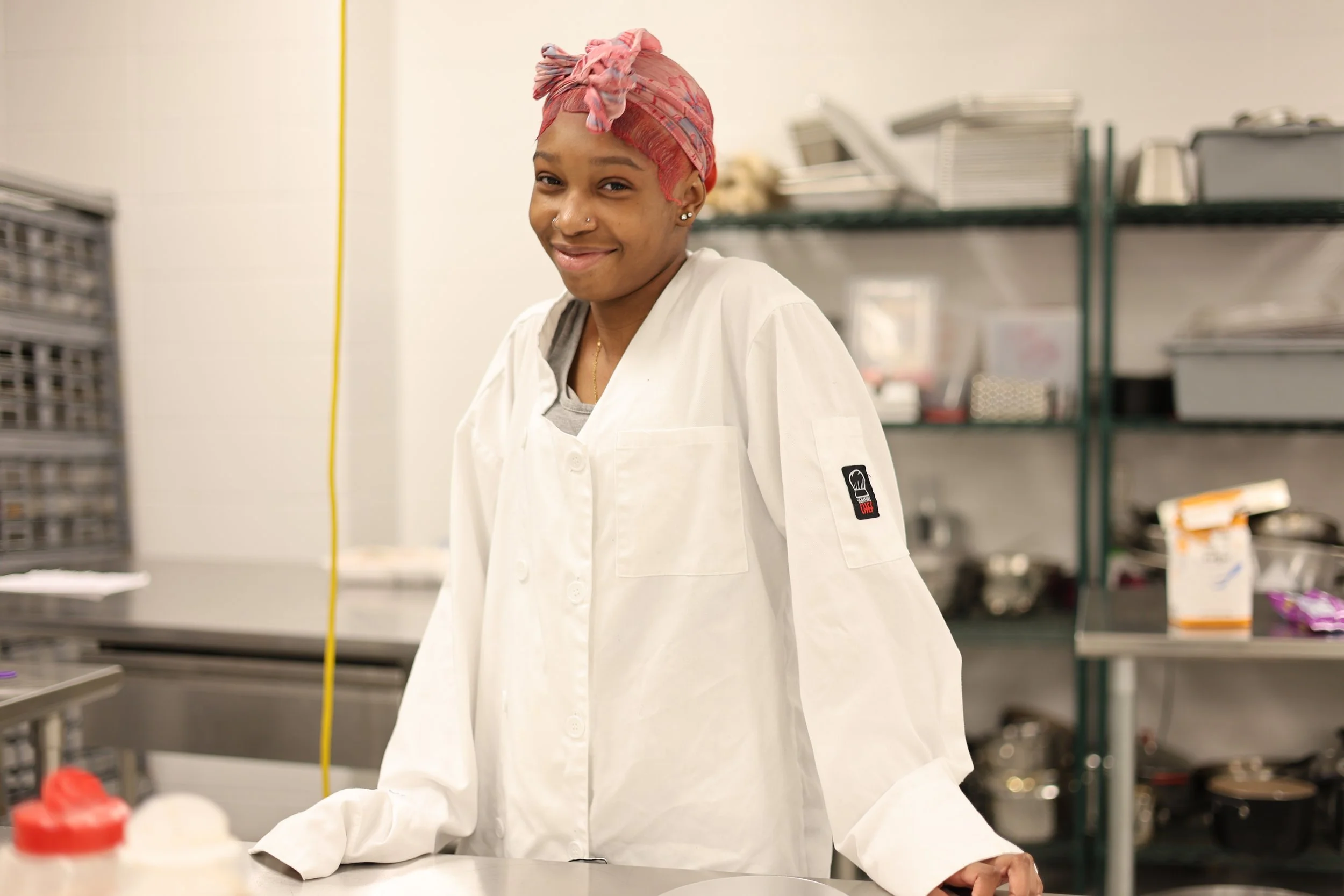
This rigorous approach is teaching students the reality of the "brigade" system used in professional kitchens. Amillion, a culinary senior who hopes to open a restaurant honoring her grandfather, noted the shift in her mindset: “I learned that it cannot just be me in the kitchen by myself cooking everything, and I have to work with others. I learned how to take orders from someone else. I realized in the kitchen, my role is second to the Head Chef.”
Serving the Community and Building a Future
The "renovation" of the pathway is already yielding public recognition. The program recently participated in the Louisville Black Chef Showcase, an experience that allowed students to cook for the public and secure vital funding.
“We had the whole city come out and support us,” Bolden recalls. For the students, the pressure was real. “It’s really unique because we were making the food on the spot,” Nick explains. “So we had to keep making it as more and more people were coming.”
The donation received from the showcase is being funneled directly back into student success. Bolden serves with a clear vision: eliminating barriers.
“Of course, the majority of it is for scholarships. That's something that I take very dear to my heart. I believe a lot of children shouldn't have to pay to get an education,” Bolden states. He plans to use the remaining funds to send students to competitions across the United States, giving them exposure before their careers even begin.
His long-term vision is even bolder: “I’m just ready to take this program to the next level where I will be able to do scholarship benefit dinners, hosting maybe a hundred people, and give all the money to culinary scholarship proceeds.”
"It’s Not the Holidays Without..."
While the standards in the Iroquois kitchen are professional, the spirit remains rooted in the joy of eating. As the semester winds down, the classroom conversation naturally turns to holiday must-haves. When asked to fill in the blank—"It's not the holidays without..."—the debates are as flavorful as the food.
For Chef Bolden, there is only one correct answer.
“Stuffing. If you don't have stuffing—my mother called it dressing—you don't have that, it is not the holidays,” Bolden asserts playfully. “I don't care if you have pumpkin pie, sweet potato pie, dry turkey, overpriced ham. You gotta have stuffing. That's it.”
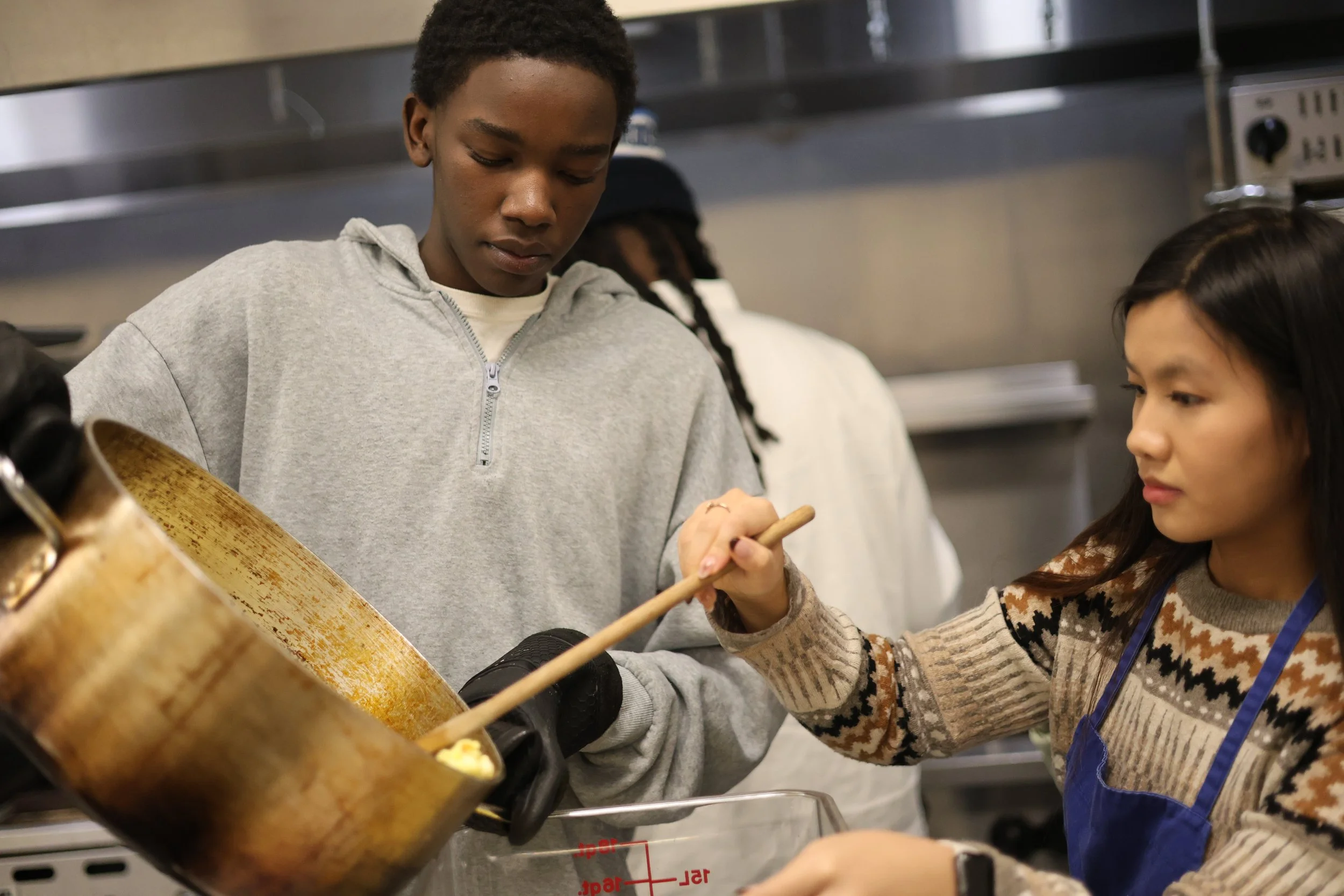
For the students, the answers reflect the diverse tapestry of the Iroquois community.
“It is not the holidays without eating a pig,” explains Poe, noting her family's tradition from Thailand. “In our family we have a traditional culture of killing a pig for special occasions, and we just gather everyone and eat around like a circle.”
Mary, another student, adds a different flavor profile: “It’s not the holidays in Thailand without eating Papaya salad, but it’s spicy.”
For Amillion, the food is secondary to the feeling the program creates. “In culinary we tend to have these parties to make us feel one, as in a family together,” she says.
Whether it’s spicy collard greens, baked mac and cheese, or Chef Bolden’s two-day-prep stuffing, the Iroquois Culinary pathway is proving that the best ingredient for success is a sense of belonging.
As another student Kaylee sums it up: “It’s not the holidays without celebrating and being with your family and, most of all, eating with your family.”