
At first glance, the auditorium at Hazelwood Elementary looked like a scene of adorable chaos. First and second graders clutched well-loved teddy bears, navigating a sea of high schoolers in blue scrubs. But look closer, and you’ll see the blueprint of a professional pipeline in action.
This is the Teddy Bear Clinic—an immersive, seven-station simulation designed by Iroquois High School’s Patient Care Technician (PCT) students. For the elementary students, it’s a day of "fun and games" with their favorite stuffed animals. For the Iroquois seniors, it’s a real-world demonstration of the clinical mastery they have spent three years perfecting.
By the end of the day, Hazelwood Elementary student Balthasar was teaching his classmates how to treat a nosebleed. Another one of his classmates, Veheir, passed on the knowledge that “germs can infect you, like if you eat a lollipop off the floor.”
The "Best of Both Worlds"
The event serves as a hallmark of the Academies of Louisville model, blending rigorous healthcare certifications with real-world community leadership. Jocelyn Williams, the Allied Health teacher at Iroquois, has watched this particular group of seniors evolve from curious sophomores into confident clinicians.
"Watching them grow from sophomores into these seniors who are so motivated and just have so much potential is really fun," says Williams. "This combines the best of both worlds. They are getting dual credit and real-world experience that they’ll be able to carry on whether they stay in this field or not."
Seven Stations of Success
The clinic was meticulously organized into seven interactive stations, allowing students to apply principles of medicine in real-time—much like the hands-on challenges seen across other Academy pathways:
Vaccines: Students practiced giving "shots" to teddy bears and played a game with balls to demonstrate how vaccines protect the body from foreign infections.
Phlebotomy: High schoolers demonstrated how to perform "blood draws" on the bears to show that medical tests aren't scary.
First Aid: Seniors showed younger students how to treat common injuries like cuts and nosebleeds.
PPE (Personal Protective Equipment): Elementary students learned about how germs spread and practiced putting on gowns, masks, and gloves.
Vital Signs: High schoolers helped the children check "bear-beats" and practice taking blood pressure readings.
CT (Computed Tomography): Students used a miniature "CT scan" machine to help doctors see inside the teddy bears.
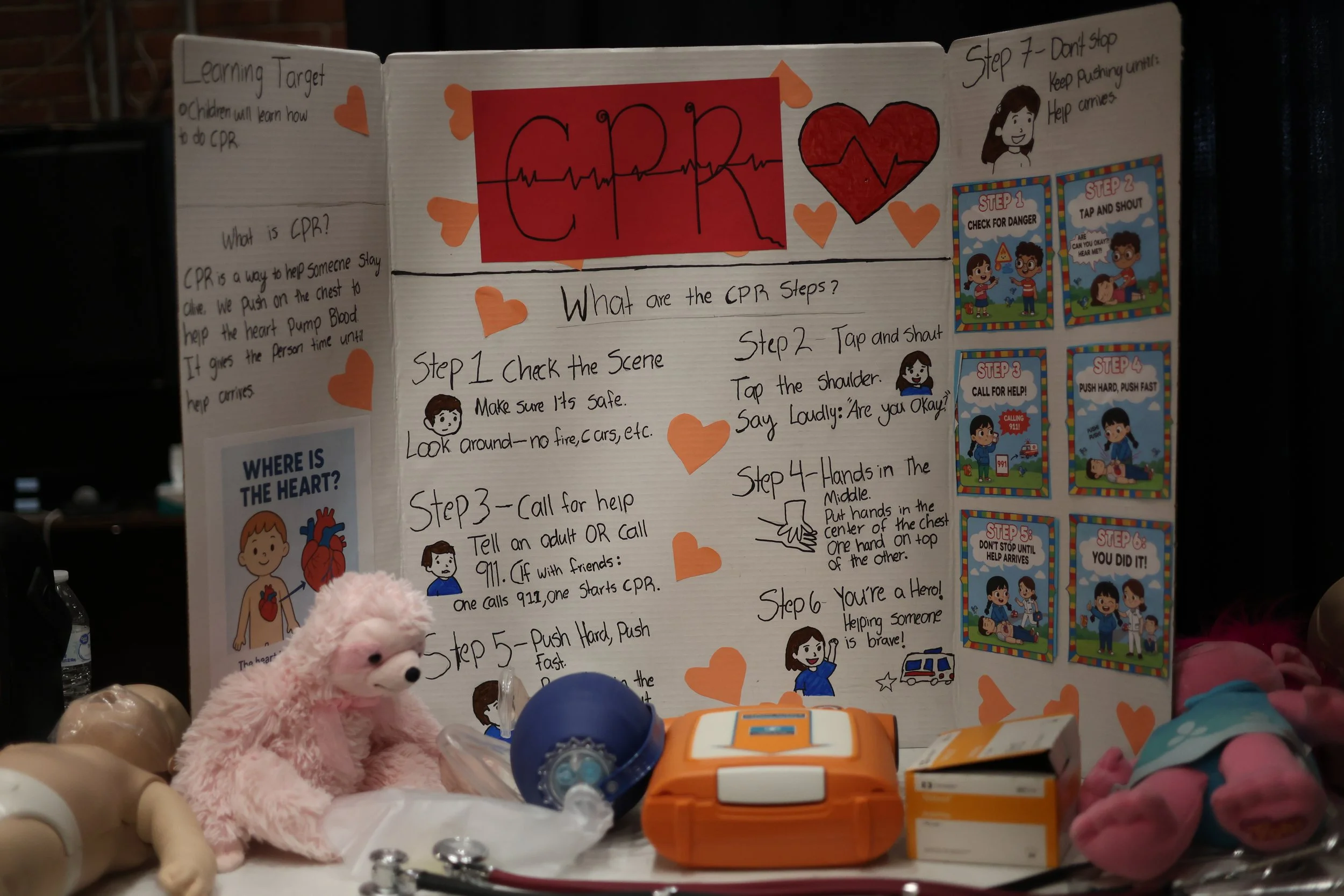
CPR: Using the rhythmic cadence of "Baby Shark" to maintain proper timing, the Iroquois leaders turned a life-saving skill into an engaging activity.
"If we don't make it fun, they aren't going to be engaged," explains Ferdo, an Iroquois senior with eyes set on becoming a travel nurse. "If we try to do it the ‘adult way,’ they won’t get what we say. We teach them how to see if a patient is okay and how to call 911."
Breaking Stereotypes through Success
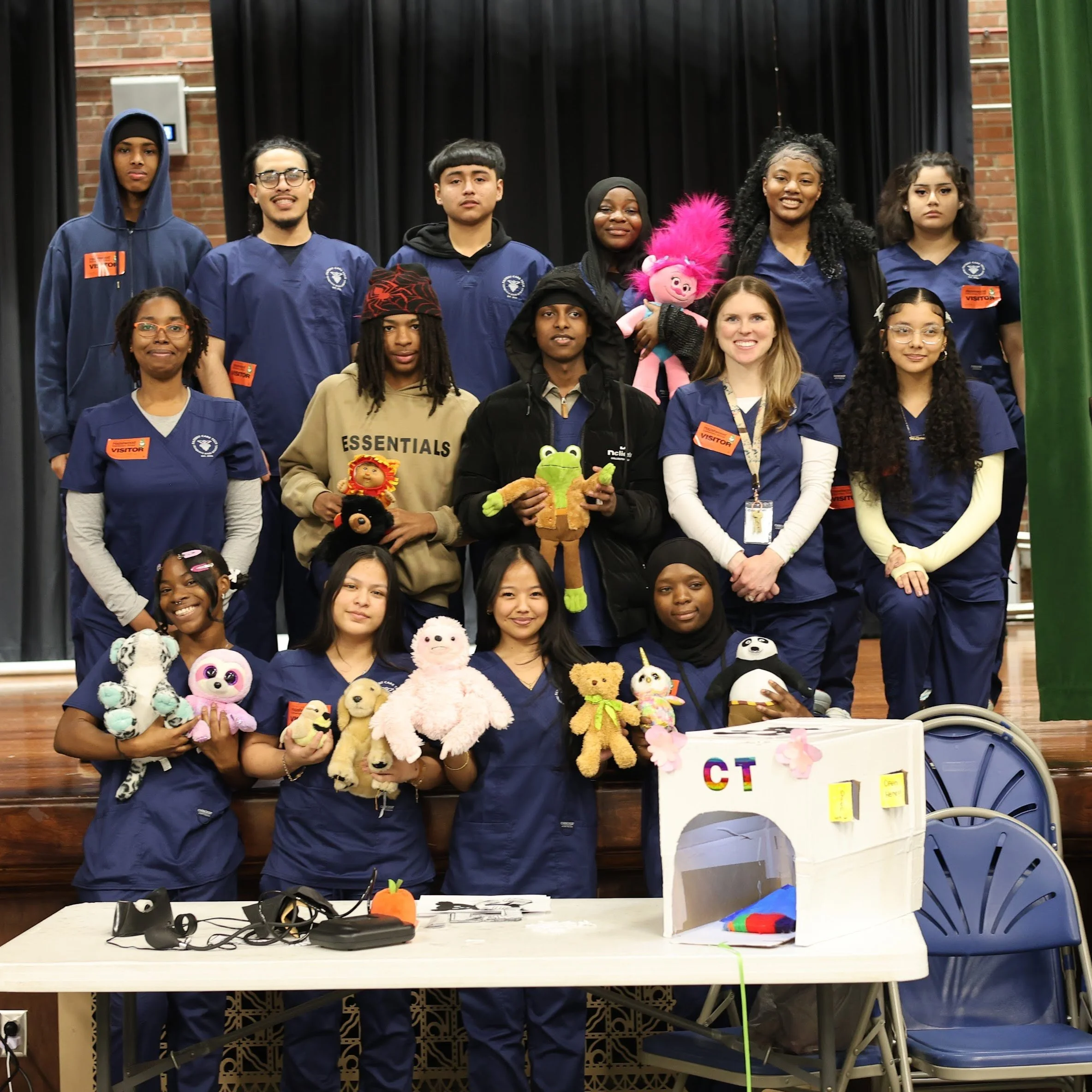
The impact of the clinic stretches beyond medical terminology. For students like Yousif, who earned his CPR certification through the Iroquois pathway, the event is about representation and building confidence. "My pathway helped me so much because I knew nothing about medical care until I got into it," he says. Now, he’s the one wearing the scrubs, showing younger students that a career at UofL or Norton Healthcare is within reach.
Williams believes these success stories are the true heartbeat of Iroquois. "I think people don’t always take the time to get to know some of the students here because they like to stereotype them," Williams notes. "However, we have some really incredible people here. These seniors take so much initiative in everything they do."
A Pipeline to the Profession
As the elementary students headed back to class—teddy bears bandaged and "cured"—the Iroquois seniors packed up their gear with the professional poise of seasoned healthcare workers. Many of these students are already bridging the gap to adulthood through paid internships and interviews.
By the time these seniors graduate, they won't just have a diploma; they’ll have a portfolio of certifications, college credits, and the satisfaction of knowing they’ve already begun to serve their community—one teddy bear at a time.